The publication, which is a result of many years of pioneering research conducted, among other things, in the areas of former mass execution sites in Pomerania (including the Szpęgawski Forest and the Death Valley in Chojnice), demonstrates the unique potential of archaeology in documenting mass crimes for which full written documentation is often lacking.
Dr Kobiałka presents an innovative interdisciplinary approach in this book. Using specialised archaeological techniques – from geophysical prospecting, through precision excavations, to advanced chemical soil analysis – he demonstrates that the earth (which he calls necrosol) is a material archive of crimes, preserving evidence of genocide, even despite the fact that decades have passed since the tragic events and the perpetrators' attempts to destroy their traces (Special Action 1005).
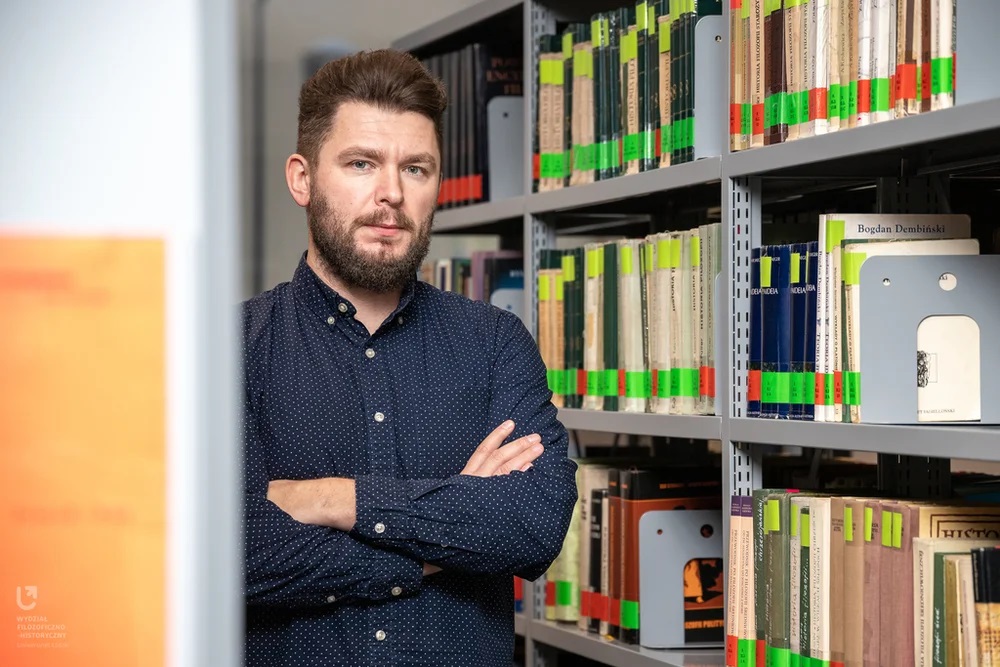
The book discusses issues such as:
- the role of material culture (victims' personal belongings, shell casings and cremated remains) as key evidence;
- the ethical challenges of archaeological research at memorial sites and mass graves;
- the impact of archaeological research on the memories of local communities and victims' families.
"The Archaeology of Mass Crimes: Nazi Extermination in Gdańsk Pomerania, Poland" is essential reading for historians, archaeologists, anthropologists, as well as lawyers and heritage conservationists. It demonstrates that archaeology, traditionally associated with antiquity, has powerful tools for researching and understanding the most traumatic events of the 20th and 21st centuries, restoring the voices of victims and perpetuating the material memory of the crimes.
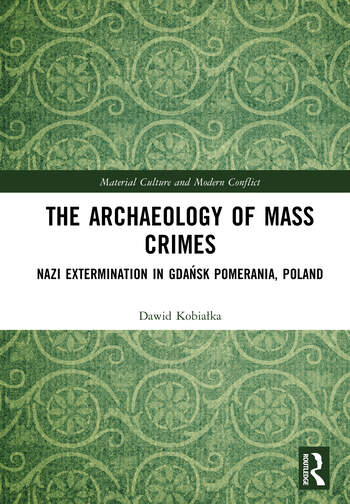
“No project on the contemporary archaeology of conflict is as necessary today as Dawid Kobiałka's work. His insightful, multidisciplinary research on Nazi crimes in Poland shows that there is still much to discover on this topic and that archaeology has something crucial to say about the violence itself, the victims, and the strategies of concealment. The archaeology of mass atrocities is driven by the search for memory, justice and knowledge. At a time when war crimes are once again becoming the norm, this book is essential reading”
– Alfredo González-Ruibal, Senior Researcher, Institute of Heritage Sciences, Spanish National Research Council.
We would like to offer our congratulations to Dr Kobiałka on this extremely important and moving publication, which strengthens the position of our academic centre in international research on the World War II genocide and the archaeology of the present.
Edit: mgr Ronald Wójcik, Faculty of History and Philosophy, University of Lodz